
For most businesses, the website is the first thing a new customer sees. Before they call, visit or send an enquiry, they look you up, and within a few seconds they decide whether you look credible, whether you do what they need, and whether it is easy to get in touch. A website is not an online brochure any more. It is part of how you win work.
That is why the question “how much should a website cost?” rarely has a one-line answer. The cost of website development depends on the design you need, what the site has to do, how many pages it has, who writes the content, how much search engine optimisation is built in, and what you want the website to achieve for the business.
This guide explains typical prices in 2026, what actually drives a quote up or down, and how to tell whether you are paying for things that matter. The short version: the cheapest website is not always the best investment, and the most expensive option is not always necessary.
Average Website Development Costs in 2026
In the UK in 2026, a basic business website typically costs £500–£2,000, a professional business website £2,000–£10,000, an e-commerce website £3,000–£20,000 or more, and fully custom website development £10,000 or more. Where a project sits in those ranges depends mainly on design, functionality, content and how much strategy goes into it.
| Website type | Typical cost (2026) | Usually suits |
|---|---|---|
| Basic business website | £500–£2,000 | Sole traders and new businesses that need a credible online presence |
| Professional business website | £2,000–£10,000 | Established firms that want the website to generate enquiries |
| E-commerce website | £3,000–£20,000+ | Businesses selling products or services online |
| Custom website development | £10,000+ | Complex requirements, integrations, portals or bespoke functionality |
These ranges for the cost of website development are wide because “a website” covers very different projects. The main reasons prices vary are:
- Design quality. Adapting a ready-made template takes far less time than designing pages around your brand and your customers.
- Development time. Every extra feature, integration or page template adds build and testing hours.
- Functionality. Booking, payments, member areas and CRM connections each add complexity.
- Strategy. Research into your customers, competitors and search terms takes time, and it is often what separates a website that looks nice from one that brings in work.
- Maintenance. Hosting, security, updates and backups are ongoing costs, and some quotes include them while others do not.
What Factors Affect Website Development Cost?
Design complexity
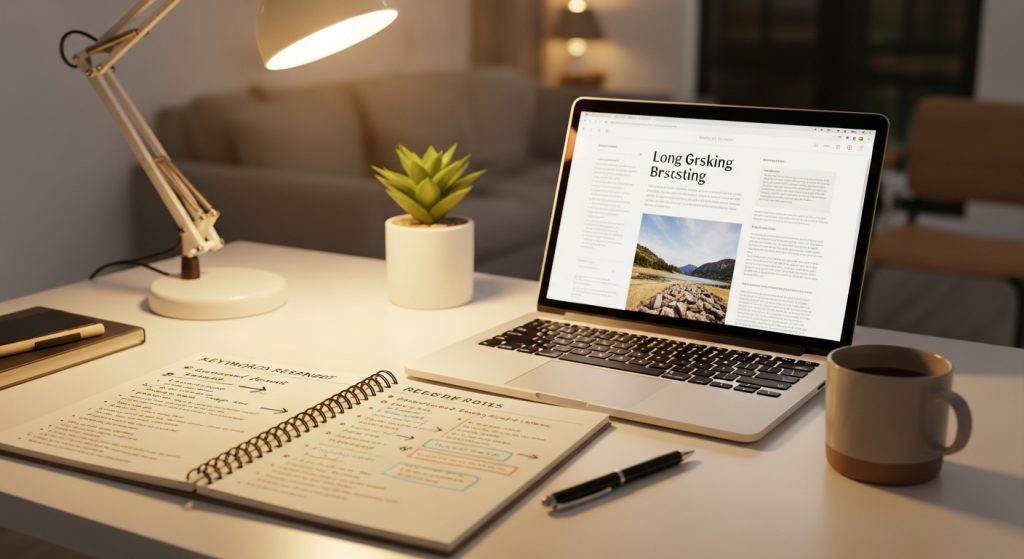
A template-based design gives you a professional starting point quickly, which keeps the web development cost down. A custom design is planned around your brand, your services and how your customers make decisions. The difference is not just how the site looks: good user experience and conversion-focused layouts decide whether a visitor finds what they need and gets in touch, or leaves for a competitor.
If you already have strong branding, the designer works within it. If you do not, logo work, colour palettes and brand guidelines add to the cost of web design.
Number of pages
More pages mean more design, content and testing. A five-page site (home, about, services, a portfolio or case studies, and contact) is a very different job from a site with individual pages for every service, every industry you serve and every location you cover. Common additions include:
- Service pages, one per service, so each can rank for its own searches.
- Industry pages, for example separate pages for law firms, property companies and construction clients.
- Landing pages built for a specific campaign or advert, with one clear action.
- Blog and guide content that answers the questions your customers search for.
Website functionality
Functionality is where costs can rise fastest, because each feature has to be built, connected and tested. Typical examples are:
- Online booking systems for consultations, appointments or viewings
- Payment systems and deposits
- Customer or client portals behind a login
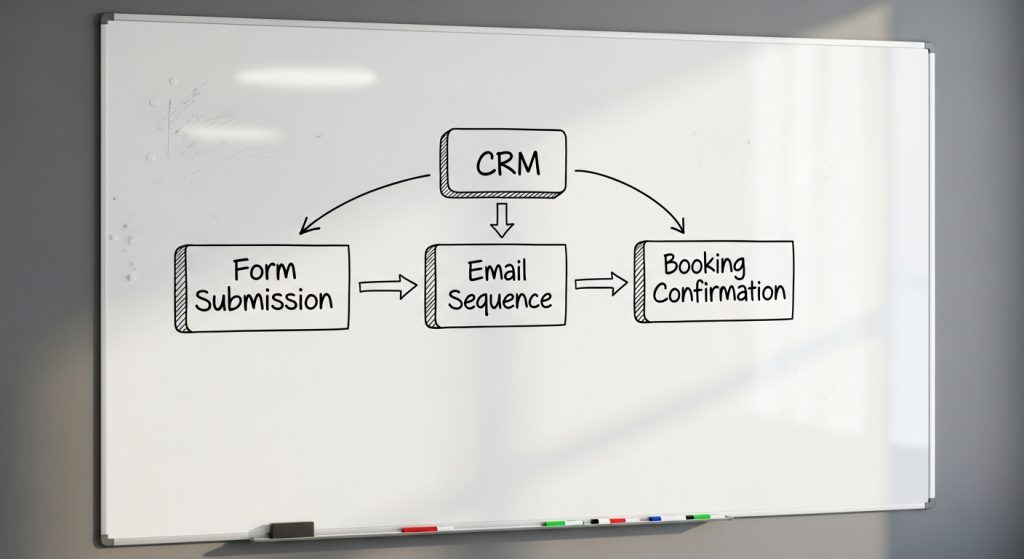
- CRM integrations, so every enquiry lands in your sales system automatically
- E-commerce features such as product catalogues, stock management and discount codes
Content creation
Content is often underestimated. Someone has to write the words, supply or take the photographs, and make sure the messaging explains clearly what you do and why a customer should choose you. Professional copywriting, photography and SEO-focused content all add to the budget, but they also tend to have the biggest effect on whether visitors become enquiries. A beautifully built site with vague, generic text rarely performs well.
SEO and analytics setup
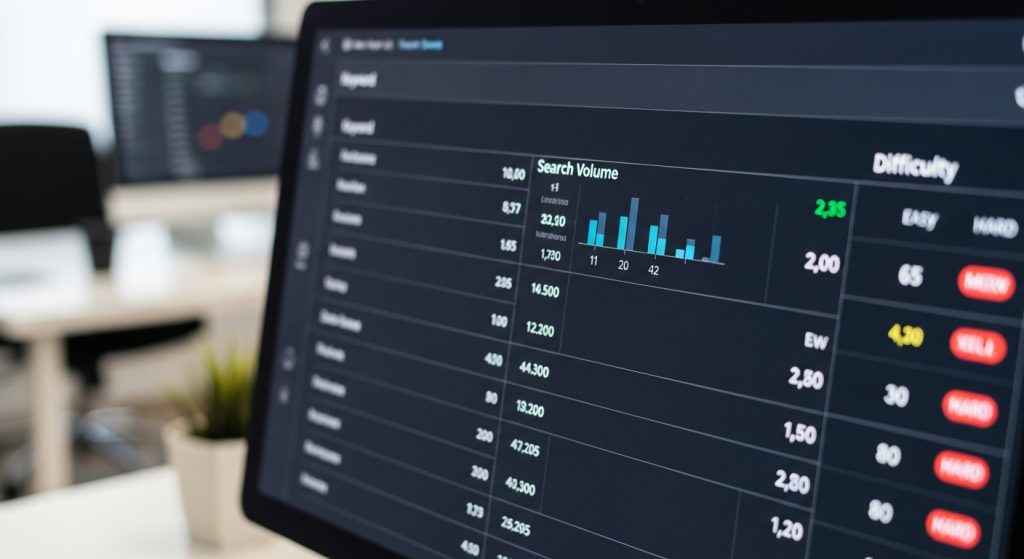
Search engine optimisation is far easier to build in from the start than to bolt on later. A proper setup covers page structure and headings, page speed, mobile performance, meta titles and descriptions, and keyword research so each page targets what your customers actually type into Google.
Measurement matters just as much. Google Analytics shows how visitors find and use the site, Google Search Console shows which searches you appear for, and conversion tracking tells you which pages and campaigns produce enquiries. Without these, you are guessing. With them, you understand customer behaviour and can improve the site based on real analytics & insights.
Website Development Packages Explained
Website development packages (sometimes called web development packages) make it easier to see what level of investment suits your business, and they make the cost of website development more predictable. Most agencies offer some version of three tiers.
Starter website package
For businesses that need a professional online presence without a large budget. A starter package usually includes:
- 5–7 pages
- Responsive design that works on phones, tablets and desktops
- Contact forms
- Basic SEO setup
- Mobile optimisation
Growth website package
For businesses that want the website to generate more enquiries, not just exist. Expect:
- Custom design
- Conversion-focused pages with clear calls to action
- SEO foundations
- Analytics and conversion tracking setup
- A lead generation strategy
Custom website development package
For businesses with advanced requirements that a standard package cannot meet:
- Bespoke functionality
- Complex integrations with CRMs, booking or finance systems
- Advanced user journeys, such as client portals or multi-step quote tools
- Scalability, so the site can grow with the business
When comparing website development pricing plans between agencies, look at what is included in each tier rather than the package name. One agency’s “starter” can be another’s “growth”.
Custom Website Development vs Template Websites
| Template website | Custom website | |
|---|---|---|
| Initial cost | Lower | Higher |
| Time to launch | Faster, often a few weeks | Longer, typically one to three months |
| Branding | Can look generic | Unique to your business |
| Flexibility | Limited to what the template allows | Built around your goals and customers |
| Scaling later | Can be harder as needs grow | Planned for growth from the start |
Template websites
Templates are faster to develop and cost less up front, which makes them a sensible choice for new businesses, sole traders and anyone who needs to get online quickly. The trade-offs are less flexibility, a more generic appearance, and a structure that can become restrictive as the business grows.
Custom websites
Custom website development gives you unique branding, a better user experience, more control over how the site works, and pages planned around how your customers choose a supplier. For B2B website development in particular, where buyers research carefully and compare several firms, that difference in clarity and credibility often pays for itself.
The right choice depends on the business. A local trade business with a clear offer may get everything it needs from a well-built template. A law firm, a property developer or a B2B company competing on expertise usually benefits from a custom approach.
Why Website Quotes Can Be So Different
It is common to receive three quotes for the same brief that range from a few hundred pounds to many thousands. That does not necessarily mean anyone is overcharging. Agencies work in different ways:
- Different levels of research. Some start with customer, competitor and keyword research; others go straight to design.
- Different design processes. Wireframes, multiple concepts and revision rounds all take time.
- Different development standards. Speed optimisation, accessibility, security and testing across devices vary a great deal.
- Different levels of support. Some prices include training, hosting and a period of aftercare; some include nothing after launch.
Some businesses find that website quotes include unnecessary features, unclear pricing structures, or services that do not directly contribute to their goals. The best protection is to ask exactly what each line of a quote covers and how it helps you win customers.
How Retesseo Provides Better Value
At Retesseo, we focus on delivering professional websites without unnecessary complexity or inflated costs. We publish our website development packages and prices, so you can see what each level costs before you speak to us. Website builds start from £350 for a professionally designed template, £699 for a five-page Foundation site and £1,149 for a ten-page Growth site with conversion-focused design, local SEO and analytics. Sites that need booking systems, CRM integration or several locations start at £1,995, and custom software projects from £5,000.
Every project has a clear scope, and we build on WordPress with modern tools so you own your website, your domain and your content from day one, with no lock-in contracts and no proprietary builder. Our process is efficient because we concentrate on the things that move the needle for your business.
The goal is not simply building a website. It is building a website that helps your business:
- Attract the right customers
- Generate leads and enquiries
- Build credibility before the first conversation
- Grow online over time
How Much Does Web Design Cost Per Page?
Some agencies quote web design cost per page. As a rough guide, a page can cost anything from under £100 on a template site to several hundred pounds or more for a custom-designed page, depending on:
- Page complexity and how many unique sections it has
- The research required, such as keywords and competitor review
- Design requirements and whether it uses an existing layout
- Content creation, including copywriting and imagery
- Development requirements such as forms, calculators or integrations
A simple service page that follows an established layout is lower complexity: the structure already exists, and the work is mainly content and on-page SEO. A custom landing page for an advertising campaign is higher complexity, because it needs its own conversion strategy, focused copy, a single clear call to action and tracking so you can see what it returns.
Per-page pricing is useful for comparing quotes, but it can hide costs such as navigation, global design and functionality, so always ask for the full project total.
Website Development and Digital Marketing
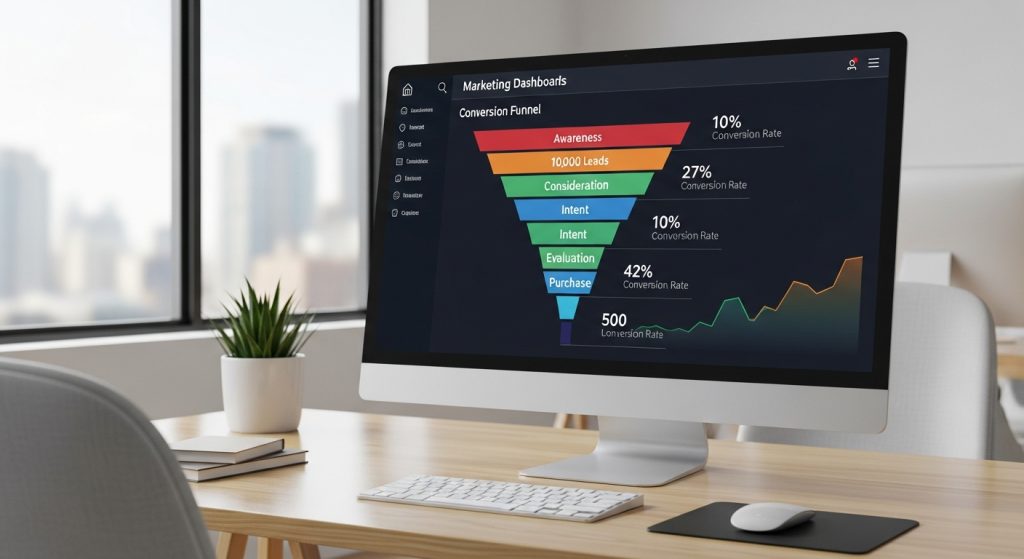
A website works best as part of a wider plan. Website development and marketing go hand in hand: the website converts visitors, and marketing brings the right visitors to it. The most effective digital marketing strategies usually combine:
- SEO, so customers find you when they search for what you offer
- Content strategy, answering the questions buyers ask before they choose a supplier
- Paid advertising, for immediate visibility on Google and social media
- Analytics, to see what is working and where budget is wasted
- Conversion optimisation, improving pages so more visitors become enquiries
Treating digital marketing and website development as one joined-up job is what turns a website into a dependable source of digital lead generation, customer acquisition and long-term business growth. A B2B web agency that understands both sides can design pages with the marketing in mind from the start.
Questions To Ask Before Hiring A Web Agency
Whether you are comparing local web development companies or national agencies, these questions will tell you a lot:
What is included in the website price?
Ask for a written scope covering pages, design rounds, content, functionality, SEO, hosting and training, so you can compare quotes like for like.
Is the website custom designed?
Find out whether the design is built for you or adapted from a template. Both can be right; you just need to know which you are paying for.
Will SEO foundations be included?
At a minimum, expect a sensible page structure, meta titles and descriptions, fast loading, mobile optimisation, Google Analytics and Search Console.
Can I update my website?
You should be able to change text, images and pages yourself without paying a developer for every edit, and you should own the site and domain.
Are there ongoing costs?
Hosting, security, backups, software updates and support all cost something. Ask what is included and what is charged monthly or annually.
How will the website help my business grow?
A good agency will talk about your customers, your goals and how enquiries will be measured, not just colours and fonts.
Frequently Asked Questions
How much does it cost to build a business website?
Most UK business websites cost between £500 and £10,000 in 2026. A basic site built from a template typically costs £500–£2,000, a professional site designed to generate enquiries £2,000–£10,000, and custom website development with bespoke functionality £10,000 or more. Retesseo website builds start from £350.
How long does website development take?
A template-based website can be live in one to three weeks. A professional custom website typically takes four to eight weeks, and complex projects with integrations or portals can take three months or more. Having your content ready is the biggest factor in keeping to schedule.
Is custom website development worth it?
Custom website development is worth it when your website needs to differentiate you from competitors, support a complex sales process or integrate with other systems. For a small business with a simple offer, a well-built template can be the better value.
What is included in website development packages?
Packages usually include a set number of pages, responsive design, contact forms and basic SEO. Higher tiers add custom design, conversion-focused pages, analytics and conversion tracking, integrations and advanced functionality. Always check whether hosting, content and support are included.
Can a website generate leads for my business?
Yes. A website generates leads when it is easy to find on Google, explains clearly what you do, makes it simple to get in touch and is supported by SEO, content and advertising. Tracking enquiries lets you see which pages and campaigns bring in work and improve them over time.
Conclusion: Treat Your Website as a Business Asset
The cost of website development ranges from a few hundred pounds to many thousands because businesses need very different things. Rather than starting with the price, start with what the website needs to do: who your customers are, how they choose a supplier, and how you plan to grow. A website built around those answers is a business asset that keeps working for you, not just an expense.
Not sure what type of website your business needs? Contact Retesseo for a free website assessment and discover how we can create a website designed around your goals.